Home › Asphalt Pathways, Sidewalks, and Trails
Connect people safely through your property with asphalt pathway paving in San Antonio, TX. We build smooth, accessible sidewalks, walking paths, and multi use trails for parks, schools, and private developments. Our team shapes gentle slopes, stable bases, and clean edges so your paths are comfortable for pedestrians, strollers, and bikes.
Precision Asphalt San Antonio provides professional asphalt pathway paving throughout San Antonio, TX, Texas and the surrounding area. Our licensed, insured crew delivers safe, clean, on-time work with a free estimate before anything begins. Call (830) 268-0934 or request your free quote.
Asphalt Pathways, Sidewalks, and Trails in San Antonio
San Antonio neighborhoods and parks see a lot of foot traffic, strollers, bikes, and carts. Well built asphalt pathways make it easier and safer for everyone to get around. Precision Asphalt San Antonio focuses on pathways, sidewalks, and trails that fit the way our community actually uses them, from HOA walking loops to school access routes and greenway-style trails.
When you call us about asphalt pathway paving, we start with how the route will be used. A quiet garden path behind a church needs different design than a shared-use trail behind an apartment community. We look at width, slope, shade, drainage, tree roots, and how close we are to driveways and parking lots. Our team is local, so we already understand San Antonio soil conditions and drainage issues along the Edwards Aquifer recharge and contributing zones.
We handle projects for homeowners, HOAs, property managers, schools, medical campuses, and small municipalities around San Antonio. Whether you need a new loop trail around a detention pond, a sidewalk connection to meet ADA access, or replacement of old cracked concrete walks with smoother asphalt, we plan the work so it causes as little disruption as possible for residents and visitors.
How We Design Asphalt Pathways for San Antonio Properties
Successful asphalt pathway paving starts with layout and drainage. Our crew walks the route with you, flags the edges, and checks slopes with a level or laser. In San Antonio, we design paths to shed water to the side at about 2 percent cross slope so water does not pond and bake into soft spots during the summer heat.
We typically recommend path widths between 4 and 10 feet depending on use. For a single file walking path behind homes, 4 to 5 feet is common. For HOA or apartment community trails where bikes and pedestrians share space, 8 to 10 feet works better. We also review turning radiuses, especially near playgrounds and mail kiosks, so golf carts and maintenance vehicles can navigate without tearing up the edges.
Tree roots are a major concern in areas like Alamo Heights, Terrell Hills, and older subdivisions with big oaks. Where roots are present, we either adjust the alignment, use root barriers, or increase base thickness and add geotextile fabric to minimize heaving. Near flood-prone areas we consider using slightly higher base elevations or we tie the pathway grade into existing drainage structures so the pavement does not become a small dam during heavy storms.
Step-by-Step Asphalt Pathway Paving Process
Once the route is set, Precision Asphalt San Antonio follows a clear sequence so the pathway lasts under local conditions.
1. Marking and utility checks: We call in utility locates where needed and mark sprinklers and landscape lighting. Many San Antonio communities have shallow irrigation lines crossing planned paths, so we expose and reroute or sleeve them before grading.
2. Clearing and subgrade preparation: We remove grass, roots, and soft soil to reach firm ground, usually 4 to 10 inches below finished grade depending on the base design. In areas with expansive clay, common on the north and east sides of San Antonio, we sometimes stabilize the subgrade with lime or cement to reduce future movement.
3. Base installation: For most pathways and sidewalks we install 4 to 6 inches of compacted crushed limestone base, sometimes more for shared-use or light vehicle access trails. The base is graded for slope, then compacted with a plate compactor and roller to reach proper density, verified visually and with a simple proof roll.
4. Edge containment: Where pathway edges are exposed to lawns, we often cut a shallow edge and compact the shoulder so mowers do not break the asphalt. For higher end installs we can add steel or concrete edging, or widen the paved shoulder slightly to protect the main surface.
5. Asphalt paving: We place 1.5 to 2.5 inches of hot mix asphalt for pathways and sidewalks, depending on expected load. For golf carts and light maintenance vehicles, we specify a stronger mix and slightly greater thickness. The mix is placed either by a small paver or hand laid in tight spaces, then compacted with a roller and plate compactors at edges.
6. Finish work: Joints to existing concrete are saw cut and sealed, transitions to curbs are smoothed, and any ADA ramp areas are built to slope limits. We clean the site and, if specified, schedule striping or pavement markings for crosswalks or shared-use warnings.
Material and Design Options for Pathways, Sidewalks, and Trails
Asphalt pathways are more flexible than concrete, which helps in our clay soils and reduces cracking. Precision Asphalt San Antonio still gives you choices in how the path looks and performs.
Mix types: For most walking paths we use a fine graded surface mix that feels smoother underfoot and for strollers. For multi use trails that see bikes and golf carts, we may use a denser mix that stands up better to turning forces. In shady areas with more moisture, we consider mixes that resist raveling and early surface wear.
Thickness and base: Around single family homes, a 4 inch base with a 1.5 inch surface usually works. For HOA trails, school campuses, and doctor office complexes where utility carts and gators are common, we increase base to 6 inches and surface to about 2 inches. That modest increase in material cost often pays off by avoiding rutting and edge failures.
Color and striping: While standard asphalt is black, we can apply sealcoat with a dark charcoal shade to keep a consistent appearance as it ages. For trails that cross drive lanes or parking areas, we add reflective paint markings and sometimes textured warning bands. We also offer thermoplastic markings for higher visibility at night near schools and assisted living facilities.
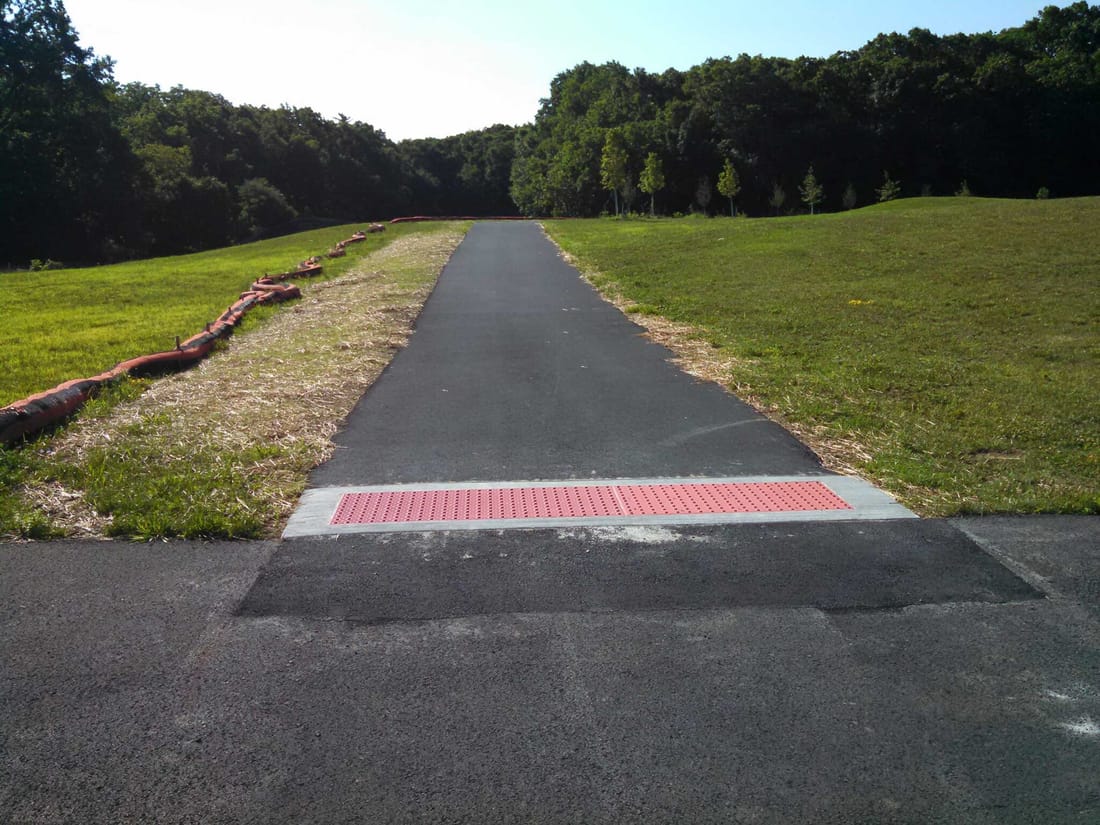
Accessibility: For sidewalk connectors to public streets or bus stops, we make sure slopes, landings, and curb ramps follow ADA guidelines. San Antonio inspectors pay attention to ramp location and detectable warning panels, so we coordinate those details to avoid delays or rework.
What Affects the Cost of Asphalt Pathway Paving
Pathway and sidewalk pricing in San Antonio is driven by more than just square footage. When Precision Asphalt San Antonio prepares a proposal, we break down the parts that affect your cost so you can make informed decisions.
Access and layout: A straight pathway along an open fence line is less expensive per foot than a winding trail that snakes between trees and behind buildings where machinery access is limited. Tight spaces mean more hand work, wheelbarrow hauling, and smaller equipment.
Excavation and base: If we are building on existing lawn with decent soil, excavation is simple. If we must remove old concrete, thick caliche, or deep roots, labor and disposal costs rise. In low lying or marshy spots, we may need more base rock or stabilization, which adds material but prevents long term settlement.
Thickness and use: A light duty walking path can be thinner than a shared golf cart route or maintenance lane. We will tell you when you can safely reduce thickness to save money and where cutting corners would likely cause rutting or cracking in a few years.
Drainage and tie ins: Connecting new asphalt to existing concrete sidewalks, curbs, or parking lots takes careful cutting and sometimes small drainage improvements. Catch basin adjustments, small culverts, or swales cost extra but can be vital in parts of town that see quick runoff, such as near the medical center or on hilly west side properties.
Scheduling and phasing: For HOAs and apartments we can break work into phases so residents always have a way in and out. That adds a bit of mobilization cost but may be worth it to reduce complaints and confusion.
Common Problems and How We Prevent Them
Poorly installed asphalt pathways in San Antonio tend to show the same issues: standing water, edge breakup, reflective cracking from tree roots, and raveling from heat and traffic. Precision Asphalt San Antonio designs and builds specifically to avoid those problems.
Standing water: Our crews double check slopes during base prep and after the asphalt is placed. If we find a low spot before compaction is complete, we correct it immediately. Small ponding areas quickly soften during our hot summers and lead to early surface failure, so we are proactive.
Edge damage: Edges are vulnerable where mowers, vehicles, or carts travel right along the pavement. We reduce this by providing at least 6 to 12 inches of compacted shoulder outside the asphalt edge and by advising HOAs where to set mowing limits. For high risk areas, like service entrances, we may suggest a narrow concrete band or thicker asphalt.
Tree root heave: We know how aggressive live oaks and pecans can be. Where we must pass through tree zones, we either reroute the path, install root barriers, or accept that slight realignment in the future might be needed and design the path in segments that can be lifted and replaced without impacting the whole trail.
Surface raveling and oxidation: Intense sun can dry out asphalt surfaces. We may recommend a sealcoat cycle every 4 to 6 years for heavily used trails to protect the surface. We also use quality mixes and avoid over heating the asphalt at the plant so the binder does not age prematurely.
Permits, HOAs, and Working Around Your Property
When new pathways connect to public sidewalks or cross public right of way, the City of San Antonio may require permits or review. Precision Asphalt San Antonio helps you identify when this applies. In most private HOA projects that stay within subdivision property, permits are not required, but ADA and fire lane rules may still influence design.
We are used to working within HOA rules about work hours, access gates, and communication with residents. For large communities, we often provide a simple map and calendar that managers can email to homeowners so everyone knows when sections of a trail or sidewalk will be closed. For schools and churches, we schedule work around events and peak use times.
Before work begins, we ask you to coordinate with your sprinkler vendor to mark mainlines and valves. If you do not have one, we can help locate and protect common systems so your landscaping still functions after paving. We also protect existing concrete, playground equipment, and landscaping by using boards, mats, and careful truck routing.
At the end of the project, we walk the pathway with you, point out any areas to keep vehicles off for the first few days, and provide basic maintenance guidance. Simple practices like keeping edges trimmed, clearing leaves from low spots, and limiting heavy vehicles on the path will help your asphalt sidewalks and trails stay smooth and safe for years.