Home › Asphalt Resurfacing & Overlays
Extend the life of your driveway with professional asphalt resurfacing in San Antonio, TX. When the base is sound but the surface is worn or cracked, an asphalt overlay can restore a smooth, attractive finish. We clean, repair, and level existing pavement, then apply and compact a fresh asphalt layer for years of improved performance.
Precision Asphalt San Antonio provides professional asphalt resurfacing throughout San Antonio, TX, Texas and the surrounding area. Our licensed, insured crew delivers safe, clean, on-time work with a free estimate before anything begins. Call (830) 268-0934 or request your free quote.
Asphalt Resurfacing & Overlays in San Antonio
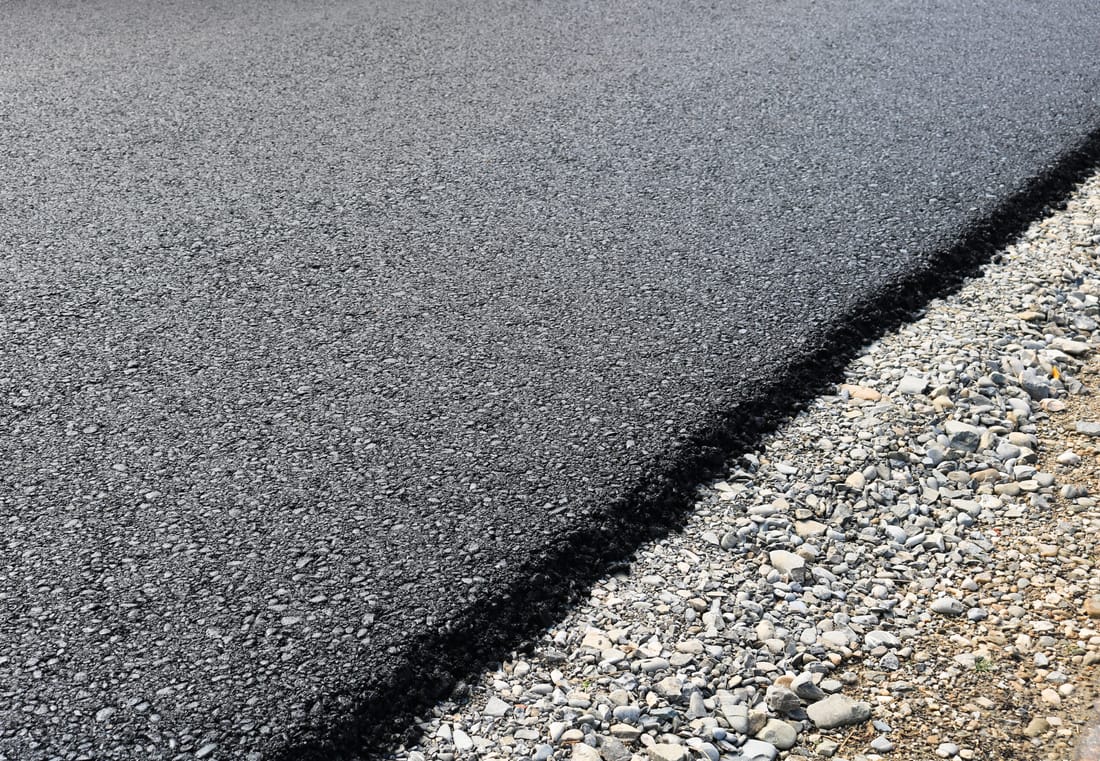
When your pavement is worn but not completely failed, asphalt resurfacing is often the smartest way to restore it without paying for a full tear out. Precision Asphalt San Antonio focuses on resurfacing and overlay projects for driveways, parking lots, and private roads throughout San Antonio and the surrounding Hill Country.
In our climate, sun and heat harden the asphalt binder, then short, heavy rain events find every crack. Resurfacing adds a new structural layer on top of the existing pavement so you get a fresh, smooth surface and more strength without replacing the base. We evaluate each property in person, looking at age, drainage, traffic patterns, and how the existing asphalt is holding up so we can recommend the right resurfacing plan, or advise you honestly if a full reconstruction would be a better investment.
Our goal is to give San Antonio property owners a clear, practical path: repair what can be saved, strengthen weak spots, and place a new overlay that is built to handle our heat, UV, and sudden downpours.
How Asphalt Resurfacing Actually Works
Every asphalt resurfacing and overlay project we do in San Antonio follows a structured process so the new layer bonds and lasts.
First, we assess the existing surface. We are checking for base failures, soft spots, standing water after rain, extensive alligator cracking, and areas where previous patches are breaking down. If more than about one third of the pavement has deep structural failure, we will talk with you about milling and reconstruction instead of a simple overlay.
Next, we handle repairs and prep. This can include saw cutting and removing failed sections, compacting and rebuilding the base with road base or recycled asphalt, filling larger voids, and cleaning out cracks that need sealing. We then power sweep and blow the surface clean to remove dust and debris, which is critical for the new asphalt to bond.
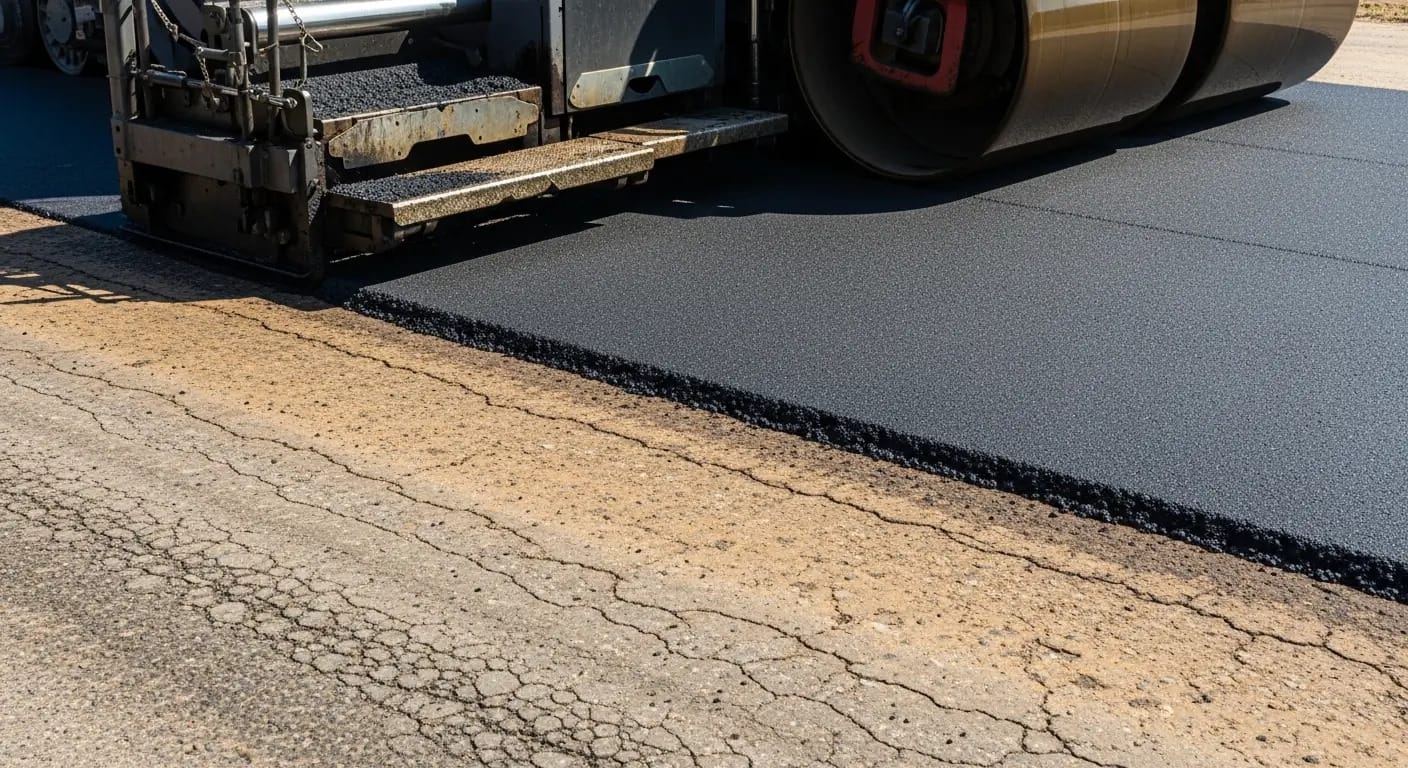
Once the base and existing pavement are ready, we apply a tack coat. This is a thin layer of asphalt emulsion that helps the new asphalt overlay adhere tightly to the old surface. Then we install the new asphalt layer at the specified thickness, typically using a paver for larger areas and hand work around edges, drains, and transitions. We finish by compacting with steel and pneumatic rollers to achieve a smooth, dense surface.
The last step is detailing and clean up: feathering transitions to streets, adjusting manhole covers and valves if needed, and setting up barricades so the new surface cures without early traffic damage.
Overlay Options and Thickness Choices
Not every overlay is the same. At Precision Asphalt San Antonio, we select materials and thickness based on how you use your pavement and the condition of what is already there.
For residential driveways and light use parking lots, we often recommend a 1.5 to 2 inch asphalt overlay using a fine to medium aggregate mix. This gives a smooth finish that is comfortable to walk on and easier to shovel or blow off leaves and debris.
For commercial lots, drive lanes, and trash enclosure areas that see heavy trucks, we may increase the overlay to 2 to 3 inches, sometimes placed in two lifts to improve compaction and strength. In these cases we typically use a coarser, higher stone content mix that stands up better to rutting and turning loads from delivery trucks.
We can also adjust the overlay design near loading docks, dumpster pads, and drive thru lanes where traffic patterns concentrate. In some locations we may recommend a reinforced asphalt detail or even tying into a concrete pad. All design decisions are explained on site, with thicknesses and material types noted in your written proposal so you know exactly what you are getting, not just a vague promise of a "new layer."
San Antonio Weather, Drainage, and Timing
San Antonio pavement behaves differently than asphalt in cooler or wetter regions, so resurfacing here needs to account for our specific weather patterns.
The extreme summer heat can reach temperatures that soften asphalt at the surface, especially in dark, unshaded parking lots. That is one reason we focus on proper compaction and mix selection during overlays, so the pavement resists rutting and shoving when the sun is at its worst. UV exposure also oxidizes the binder faster, so a properly compacted overlay gives you more service life before the surface becomes brittle.
Drainage is just as important. Our area tends to get intense downpours rather than frequent light rain, so any low spot in your existing pavement will quickly show itself as standing water. Before resurfacing, we walk the site after rain when possible, or look for water staining and fine silt lines that indicate poor drainage. We can sometimes correct mild ponding by adjusting overlay thickness across the area to change the slope. If the grade is too flat or the base is holding water, we might recommend localized milling, adding a drain, or repairing the base before placing the overlay.
Best timing for resurfacing in San Antonio is generally from late February through early June and from late September through early November. These windows usually offer warm ground temperatures without the most extreme afternoon heat, which helps with compaction and minimizes scheduling delays from storms. We still complete work in summer, but we may start earlier in the morning and phase large projects so the asphalt is installed and compacted before peak temperatures.
What Affects Asphalt Resurfacing Cost
Overlay pricing is not just about square footage. Several specific factors influence how much your asphalt resurfacing project in San Antonio will cost.
Condition of the existing pavement is the first driver. If we only need to do light crack filling and minor patching, the cost stays closer to a simple overlay. If we find widespread base failures, deep alligator cracks, or areas that pump water when trucks drive over them, we will need to remove and rebuild those sections first, which adds labor, materials, and time.
Thickness and mix type also affect price. A 3 inch heavy duty overlay with a high stone content mix costs more than a 1.5 inch light duty overlay because it uses more material and requires more compaction passes. Truck access, on site staging, and whether we can pave in long, continuous pulls also impact efficiency and cost.
Traffic control and business operations matter too. For active commercial properties we may need to schedule work in phases, post clear signage, and coordinate with your busiest hours so customers can still access your building. This planning protects your business but can extend the total project duration.
We provide itemized estimates that separate base repair, milling (if any), overlay thickness, striping, and optional add ons like wheel stops or signage. That way you can see exactly where each dollar is going and make informed choices based on your budget and priorities.
Common Overlay Issues and How We Prevent Them
Asphalt overlays fail early for a few predictable reasons, and our crews are trained to look for and correct those issues before we install new material.
Reflective cracking is one of the most common problems. If significant cracks in the old pavement are not properly treated, they often reappear in the new overlay within a year or two. We address this by routing and sealing larger cracks, removing and replacing severely cracked panels, and in some cases using a fabric or interlayer system in high movement joints.
Another issue is overlaying over a weak or saturated base. In some San Antonio neighborhoods with clay soils, trapped moisture can cause soft spots that move under traffic. A thin overlay on top of that will quickly show dips and surface cracking. When we suspect moisture issues, we conduct test cuts or use proof rolling with a loaded truck to feel for flexing. Soft areas are cut out and rebuilt with compacted base material before we resurface.
Poor drainage at the edge of the pavement is another early failure point. If water sits at the edge, it can erode the base and cause edge cracking and break off. We look at adjacent soil height, curb conditions, and nearby downspouts, and we may suggest minor grading, adding a concrete gutter, or tying in to an existing drainage structure to protect your investment.
What to Expect When You Hire Precision Asphalt San Antonio
From the first visit to the final roller pass, we focus on communication and practical solutions tailored to San Antonio properties.
During the initial visit, we walk the entire pavement with you, point out problem areas, and talk through how different resurfacing approaches would perform. You receive a written proposal that spells out the overlay thickness, repair locations, and any drainage or base work we recommend.
Before work begins, we coordinate scheduling so tenants, employees, delivery drivers, or family members know which areas will be closed and for how long. On paving day, our crew sets up cones and barricades, cleans the surface thoroughly, performs patches and crack repairs, applies the tack coat, then places and compacts the new asphalt overlay. If striping is included, it is usually applied the next day.
Most residential driveways can be driven on within 24 hours, while commercial lots may open in phases depending on thickness and traffic type. We leave you with clear instructions on curing time, when to allow heavy trucks, and simple maintenance steps that extend the life of your new overlay, such as sealing at the right interval and managing drainage.
When you are ready to discuss asphalt resurfacing, Precision Asphalt San Antonio is local, accessible, and focused on doing the work the right way so your pavement performs in our South Texas conditions.